Terzo Tocco. LA PALLAVOLO COME Laboratorio della vita associata
Articoli scientifici
Hegemonic Cycles in International Volleyball.
A Sociological Reading
This paper analyses the historical succession of national hegemonies in world volleyball from 1949 to 2025, reconstructing men’s and women’s cycles on the basis of medal records at the Olympic Games, World Championships, and World Cup. The thesis advanced is that hegemonic cycles reflect a succession of national configurations that prove institutionally optimal in relation to the historical conditions of the global arena in which they operate. Each hegemony is not the product of a single generation of talent or of a great coach, but the outcome of the encounter between a specific institutional configuration of the national system and a
specific configuration of the international arena (regulations, labour market, geopolitics, technological conditions). When the conditions of the arena change, the hegemony declines, not because the national system deteriorates, but because its configuration ceases to be optimal in the new context. The paper finally argues that the contemporary phase is a phase of structural multipolarity rather than a transitional interregnum, and that this multipolarity is itself a feature of the current global configuration.
Hirschman a Cuba, o quello che la pallavolo cubana ci dice su di noi
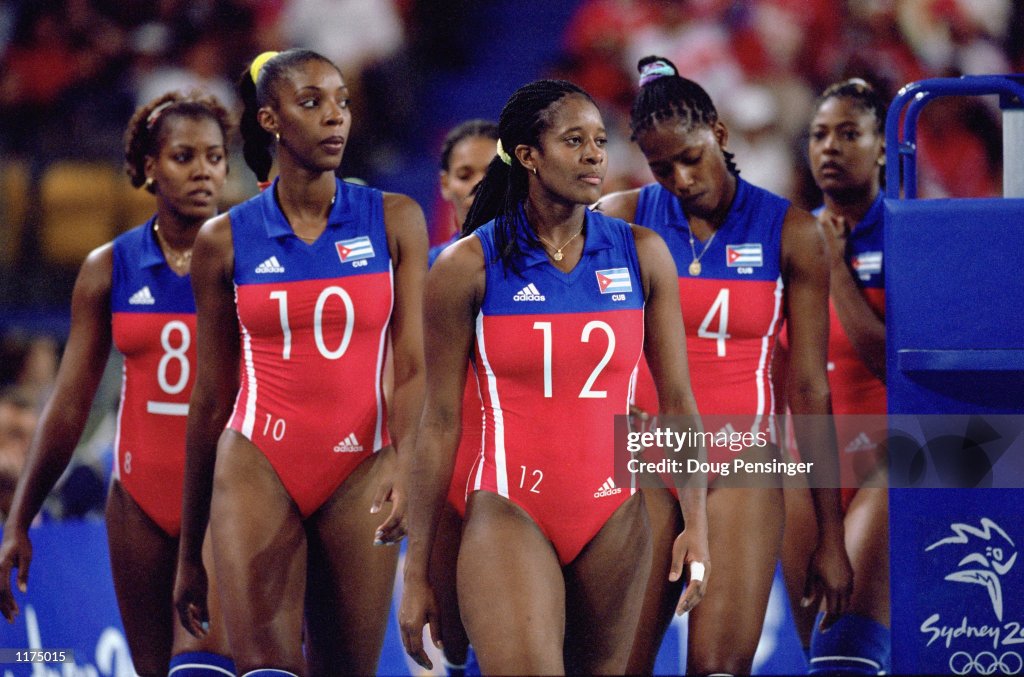
A Cuba il sistema sportivo è stato in grado di formare grandissimi campioni, grazie a un modello interamente statale. Ma, privi di club, comunità e spazi di partecipazione, molti atleti hanno scelto di emigrare. Attraverso le idee di Albert Hirschman e la sua classica lettura «exit, voice, loyalty», da un caso come quello della pallavolo cubana si può capire che la lealtà nasce solo dove esistono istituzioni intermedie e possibilità di incidere. Una vicenda apparentemente molto specifica diventa così un modello per una lettura molto più ampia: né Stato né mercato bastano da soli; senza comunità e partecipazione, le persone finiscono per andarsene.

